
The Multi-Brand Dilemma for Growing Businesses
Many successful businesses naturally expand into adjacent product categories or spin off distinct sister brands. For instance, a manufacturer might operate a premium consumer division alongside a high-volume B2B wholesale arm.
Traditionally, companies faced a frustrating tradeoff:
- Build separate websites: Double the design costs, double the hosting fees, double the maintenance retainers, and split search authority across two weak domains.
- Force everything onto one cluttered site: Confuse customers with conflicting messaging, incompatible visual identities, and disorganized navigation.
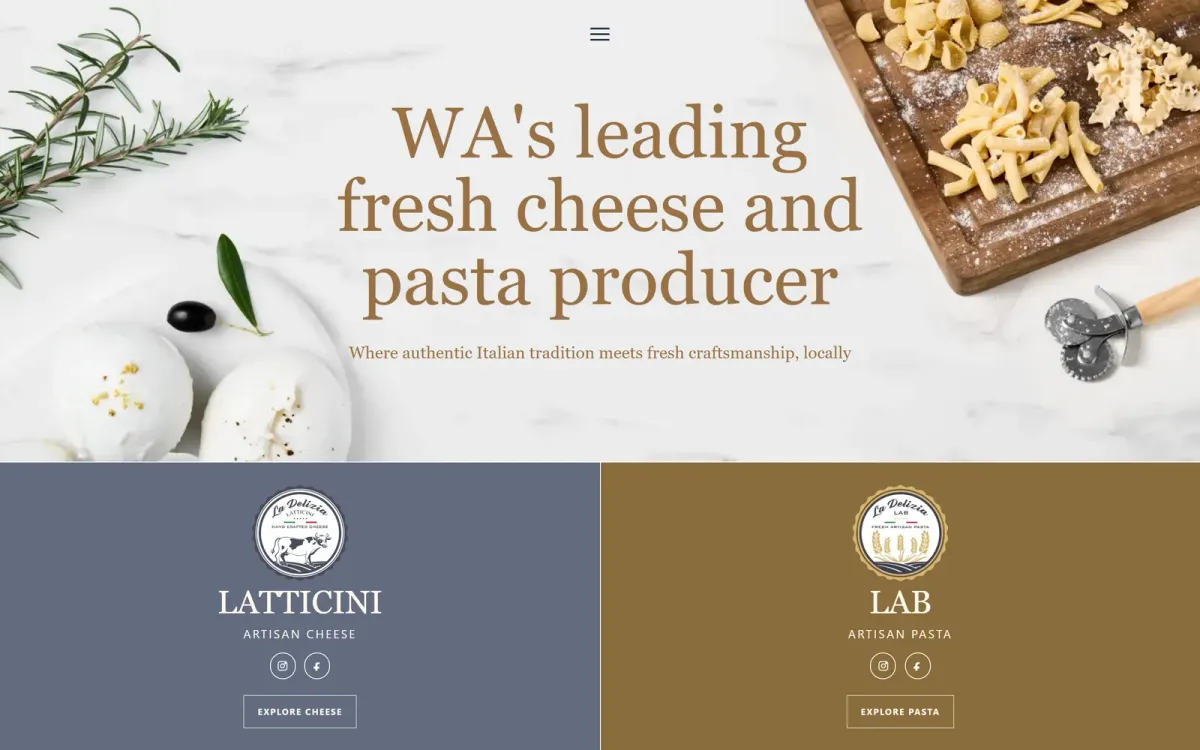
Our Perth custom web development team engineered an elegant architectural solution for La Delizia, running two distinct artisanal food manufacturing brands—La Delizia Latticini (cheese) and La Delizia Lab (fresh pasta)—on a single high-performance Astro codebase.
1. Dynamic Tokenized Theming
Although both brands share the exact same underlying component architecture (cards, headers, product grids, stockist tables), they look and feel completely different:
- La Delizia Latticini: Cool navy and crisp dairy white palette, classical dairy crest, structured around fresh cheese varieties.
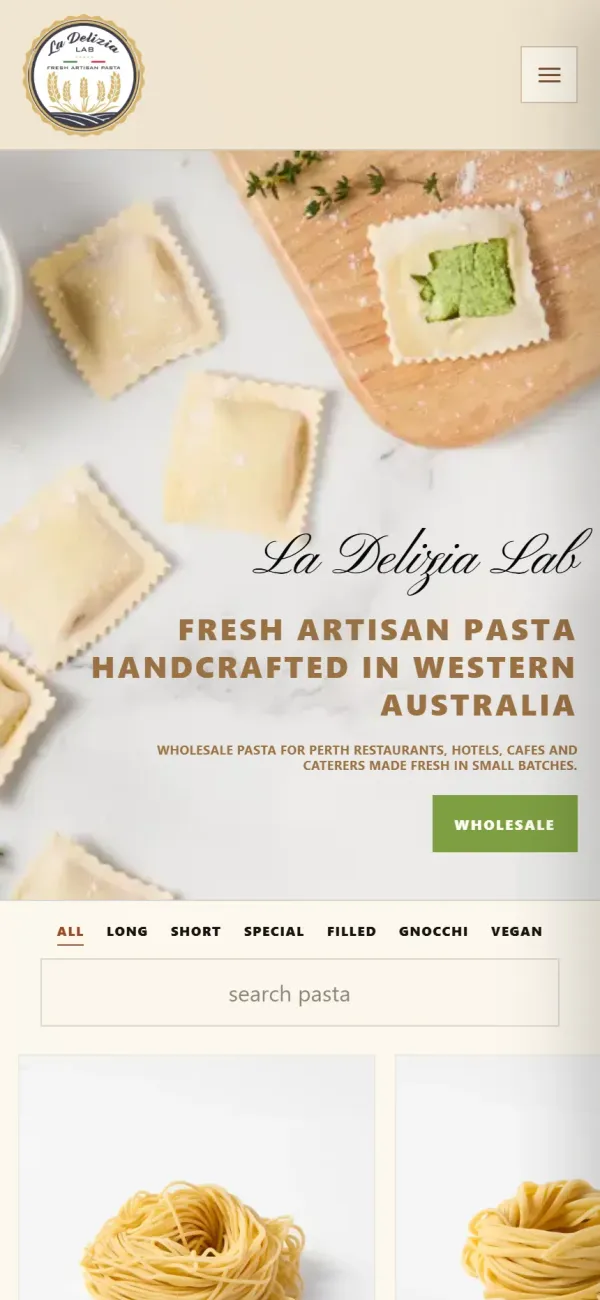
- La Delizia Lab: Rich artisan gold, wheat cream, and terracotta tones, tailored for handcrafted extruded and filled pasta.
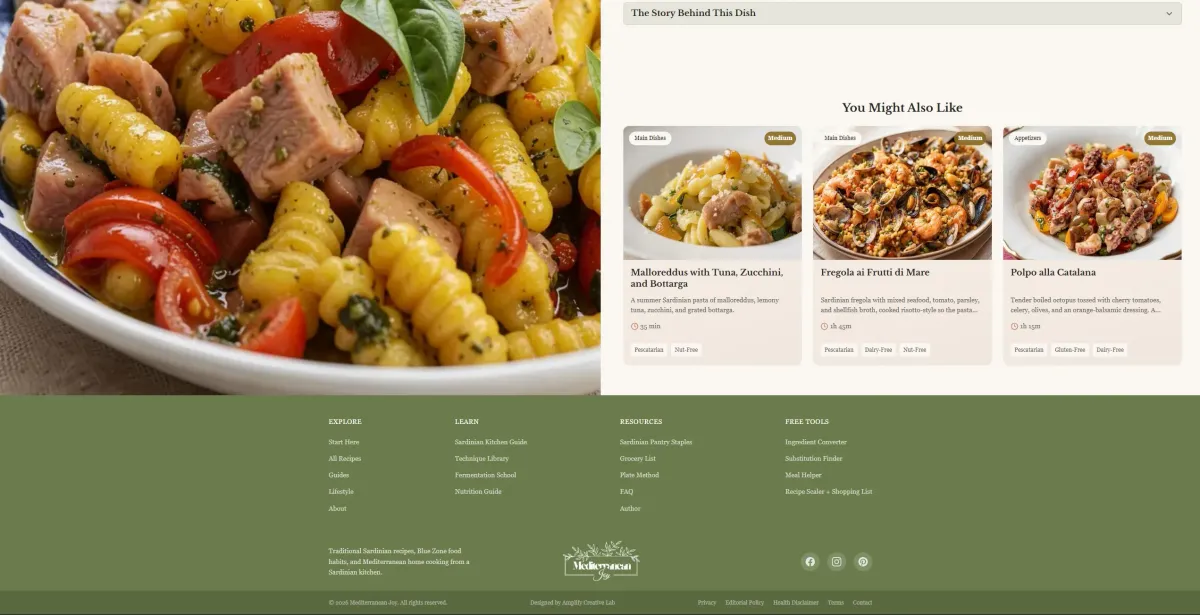
By utilizing CSS design tokens and route-based theme switching, the application renders the correct styling context without loading duplicate stylesheets or redundant code.
2. Dedicated B2B & Wholesale Channels
Both the cheese and pasta divisions operate high-volume food service supply pipelines alongside retail consumer distribution.
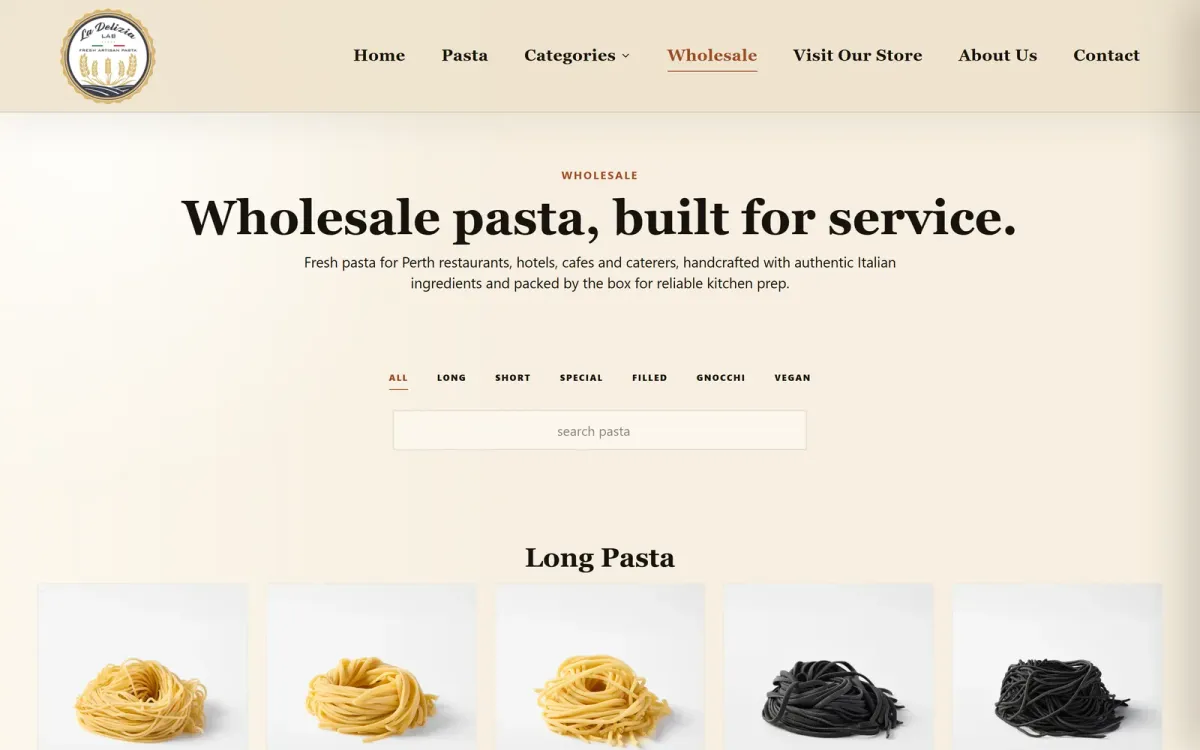
Because both brands leverage the same audience-separated routing system, wholesale buyers receive a consistent, frictionless ordering experience across all product categories.
3. Mobile Perfection & Lightning Speed
Across all 85 combined pages spanning both brands, the production build ships zero client-side JavaScript files.
Conclusion
Shared codebase architecture offers the ultimate solution for multi-brand operators: maximum operational efficiency, unified search authority, and pristine brand distinctiveness.
Read the full case studies for La Delizia Latticini (Cheese) and La Delizia Lab (Pasta), or contact our Perth web architecture experts to discuss your multi-brand project.
Tap through our website brief builder and we'll recommend the right next step.
Frequently asked questions
What is a multi-brand shared codebase architecture?
A shared codebase architecture uses a single repository, component library, and deployment pipeline to serve two or more distinct brand portals under one primary domain or multi-domain structure. The styling, themes, and content adapt dynamically based on the active route.
What are the cost and maintenance advantages of a shared codebase?
Instead of paying double for hosting, maintenance retainers, CMS subscriptions, and individual feature developments, any technical improvement (like image optimization or sitemap updates) immediately applies across all sister brands.
How does a multi-brand website impact SEO?
Consolidating multiple sister brands under a single strong domain consolidates backlink equity, domain authority, and organic traffic rather than diluting search signals across multiple separate, low-authority domains.