
How La Delizia Latticini Replaced an Outdated Website with a High-Converting Multi-Audience Platform

The Dilemma of the Aging Food Business Website
When a business produces an award-winning product, its physical reputation often races far ahead of its digital presence. This was the exact reality for La Delizia Latticini, an artisanal Italian dairy producer handcrafting fresh burrata, stracciatella, mozzarella, and smoked scamorza daily in East Victoria Park, Perth.
While local restaurants and top gourmet grocers praised the product quality, the business was saddled with a five-year-old, outdated website. The legacy site suffered from common symptoms that plague growing producers:
- Conflicting User Intent: A restaurant head chef looking for commercial 950g scamorza logs landed on the exact same generic page as a weekend home cook looking for a single ball of burrata.
- Unclear Retail Pathways: Shoppers who discovered the cheese in a restaurant had no quick, frictionless way to find out which local independent grocer or deli stocked the product near them.
- Sluggish Performance & Visual Disconnect: The dated template design failed to reflect the premium, handcrafted quality of the cheese and loaded slowly on mobile devices.
- Content Bottlenecks: Adding seasonal products or updating trade specifications required cumbersome manual updates that frequently drifted out of sync.
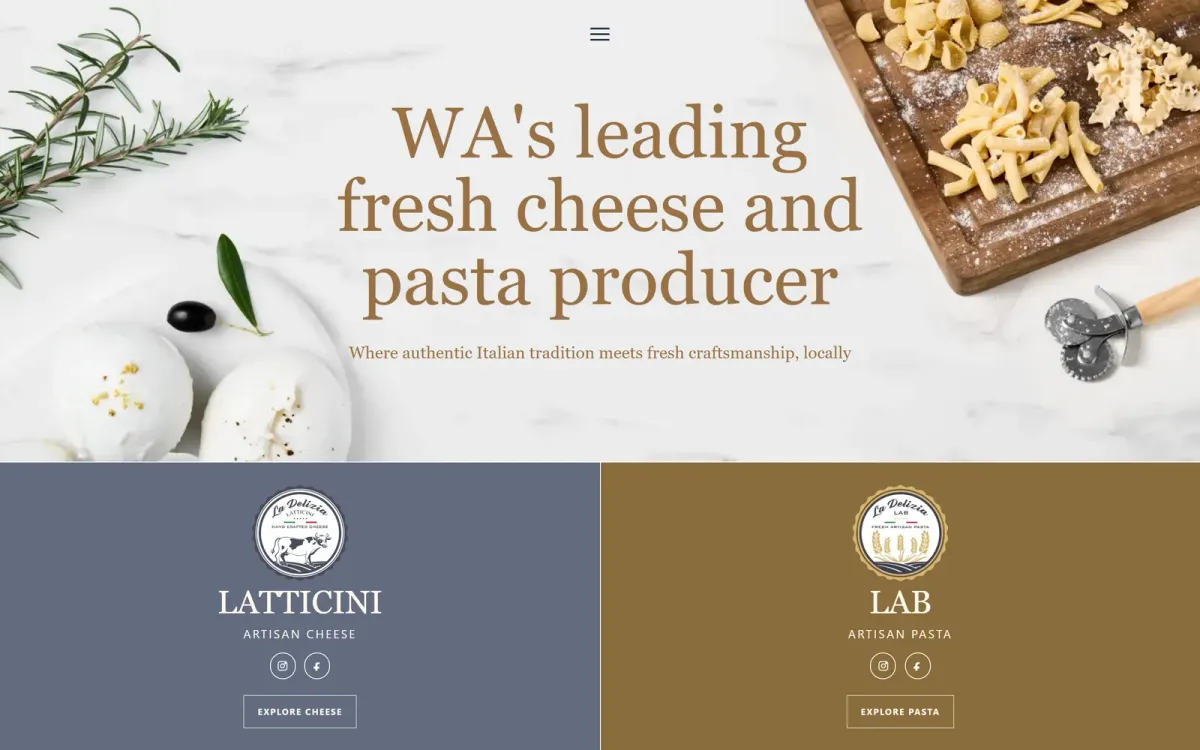
To solve these challenges, Amplify Creative Lab engineered a comprehensive website redesign and custom web development strategy that transformed La Delizia Latticini’s online presence into a multi-channel commercial engine.
1. Audience Segmentation by Route Architecture
The fundamental flaw in most B2B/B2C hybrid websites is trying to force every visitor down one universal funnel. A chef calculating food cost and menu margins does not want to read romantic consumer copy; they need immediate specs, case packaging formats, and wholesale enquiry buttons. Conversely, retail shoppers are overwhelmed by wholesale carton minimums.
Our approach segmented the site architecture into three distinct, dedicated user journeys:
A. The Wholesale & Foodservice Funnel
Dedicated wholesale pages and individual product cards display exact commercial specifications: unit weights, case quantities, shelf-life data, and direct ordering links. Commercial buyers can evaluate menu integration in seconds without hunting through consumer fluff.
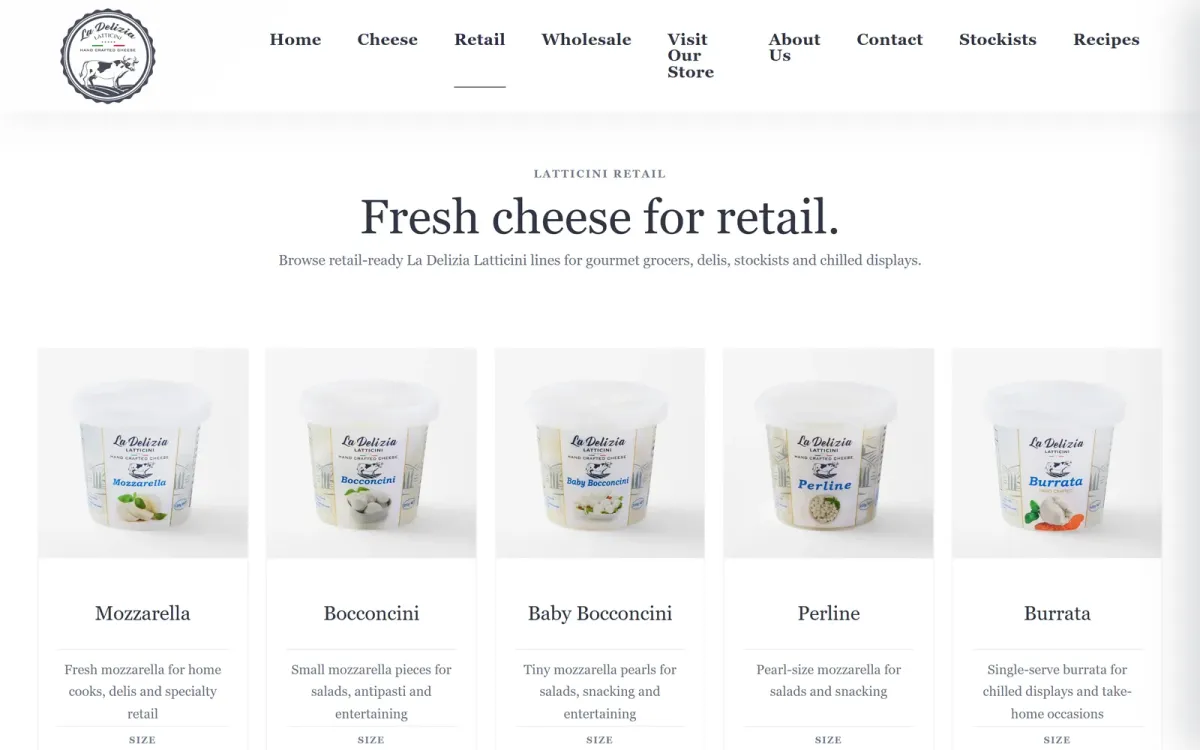
B. The Retail Shopper Journey
Retail pages showcase the culinary character of the fresh cheeses with rich imagery, storage advice, and immediate calls-to-action directing visitors to the nearest stockist.
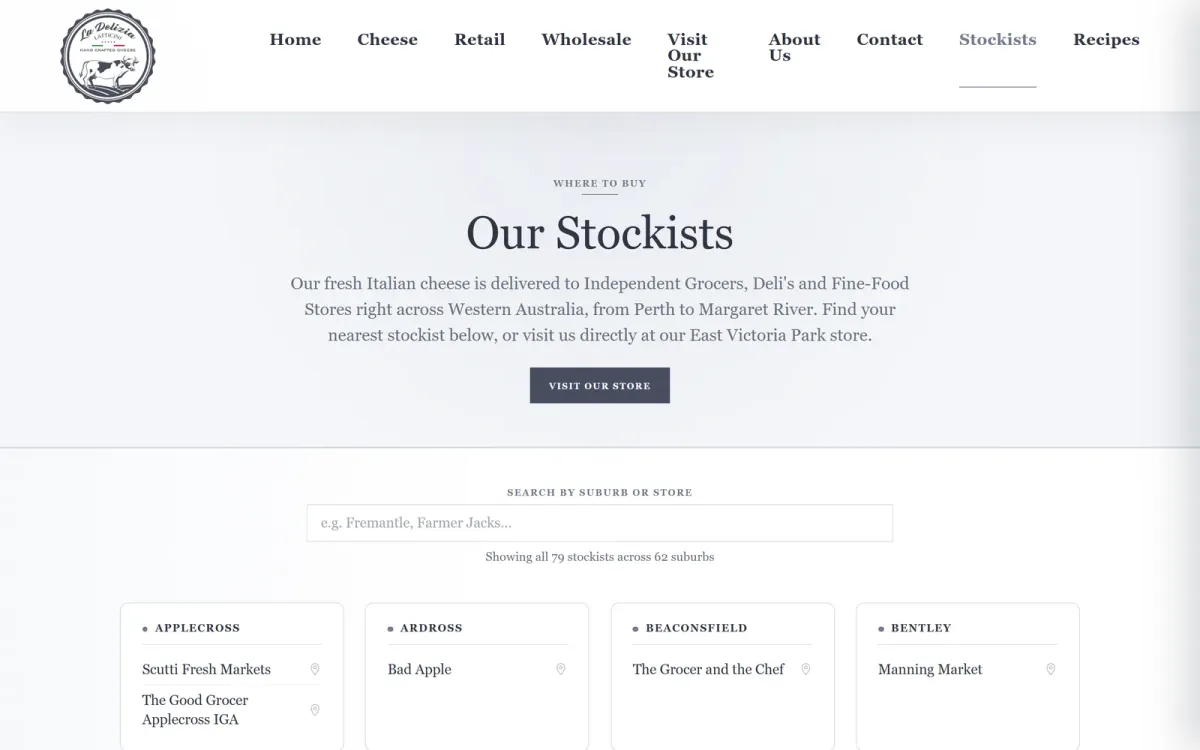
C. The Stockist Directory (Conversion Hub)
“Where can I buy this?” is the highest-intent question a food brand ever receives. We built a dedicated stockists directory that lists every partnered grocer, deli, and supermarket across Perth and WA. This converts casual interest into immediate foot traffic for retail partners, strengthening wholesale relationships.
2. Capturing Inbound Demand with Seasonal Recipe Hubs
Traditional product pages only rank for people who already know what they want (e.g., “buy burrata Perth”). But the vast majority of potential customers are earlier in the discovery cycle, searching for culinary inspiration such as “stracciatella pasta recipes” or “how to serve smoked scamorza”.
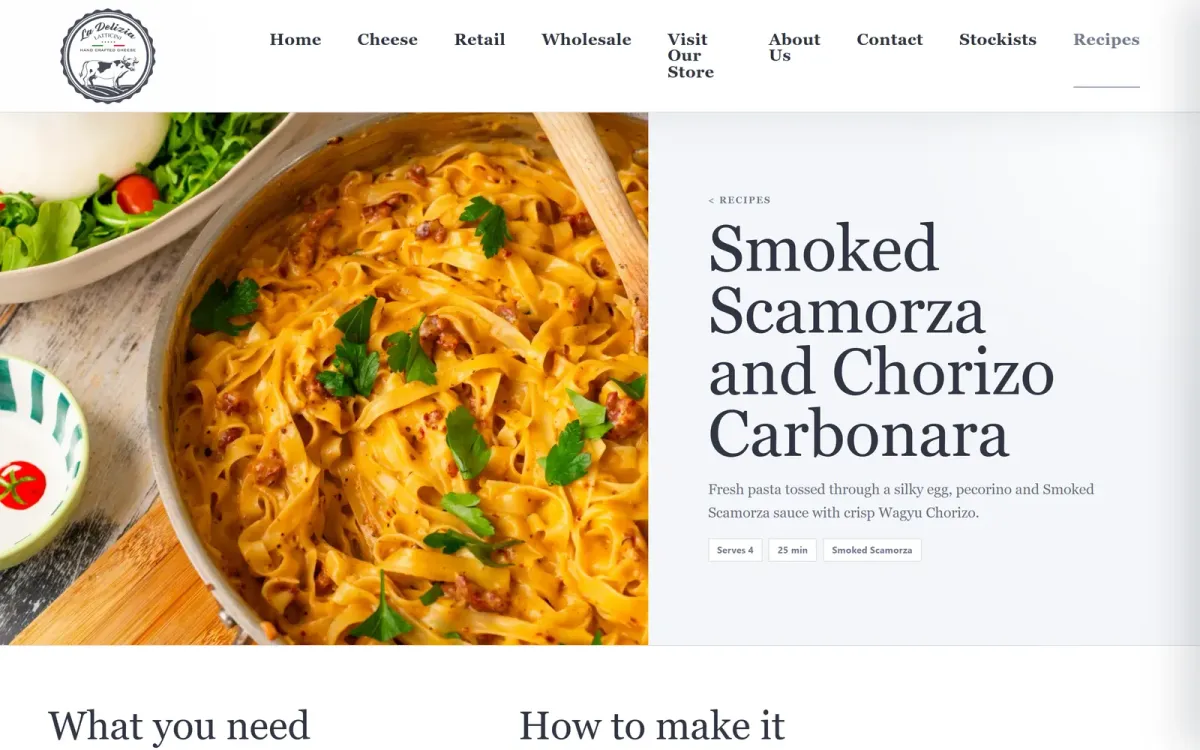
We integrated a seasonal Italian recipe directory directly into the website. Each recipe acts as an organic search landing page:
- Attracts high-intent organic search traffic from food enthusiasts and home cooks.
- Features custom editorial food photography showcasing the cheese in finished dishes.
- Includes direct contextual links back to the featured cheese product page and the stockist locator.
This turns the website from a static brochure into an active culinary authority that continuously generates new brand discovery.
3. Technical Mastery: Zero-JavaScript Speed & Shared Architecture
Food buyers and chefs often browse on mobile phones in noisy kitchens or storerooms with poor mobile reception. A website bloated with megabytes of JavaScript plugins and third-party trackers creates frustrating delays that cause visitors to bounce.
We engineered the site using modern static-site architecture (Astro):
- Zero Production JavaScript: Every page is pre-compiled into clean, semantic HTML and CSS. The site delivers near-instant page transitions with zero client-side script execution overhead.
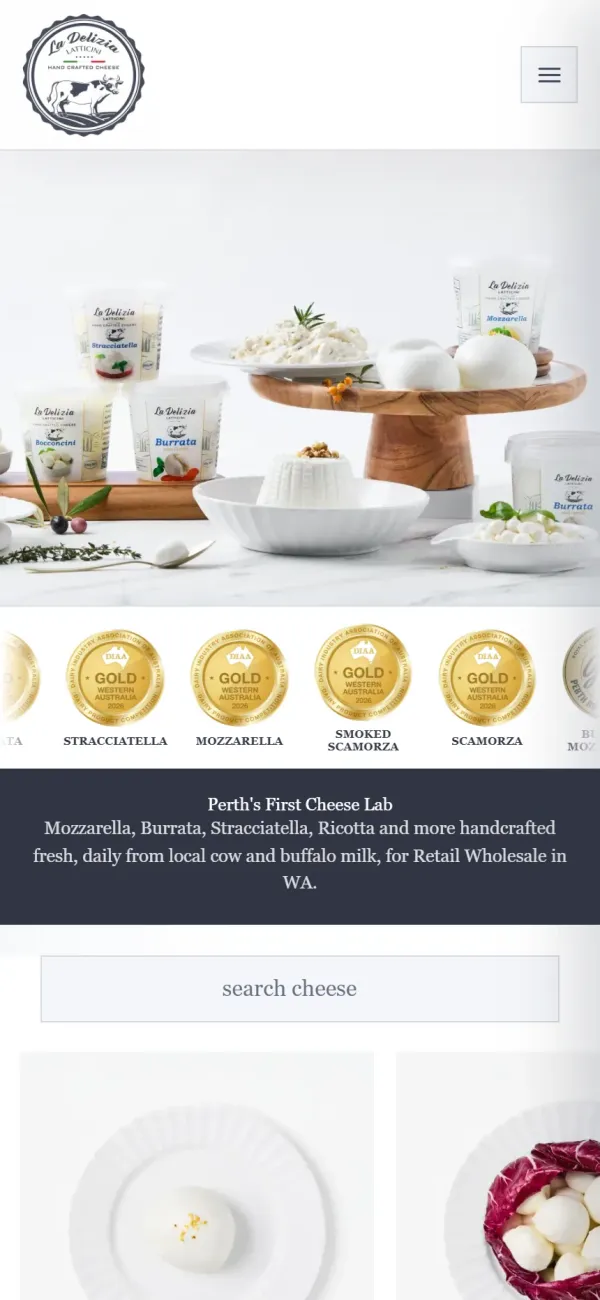
- Optimised Responsive WebP Imagery: All product and recipe visuals are served in modern WebP format, dynamically sized to the visitor’s device.
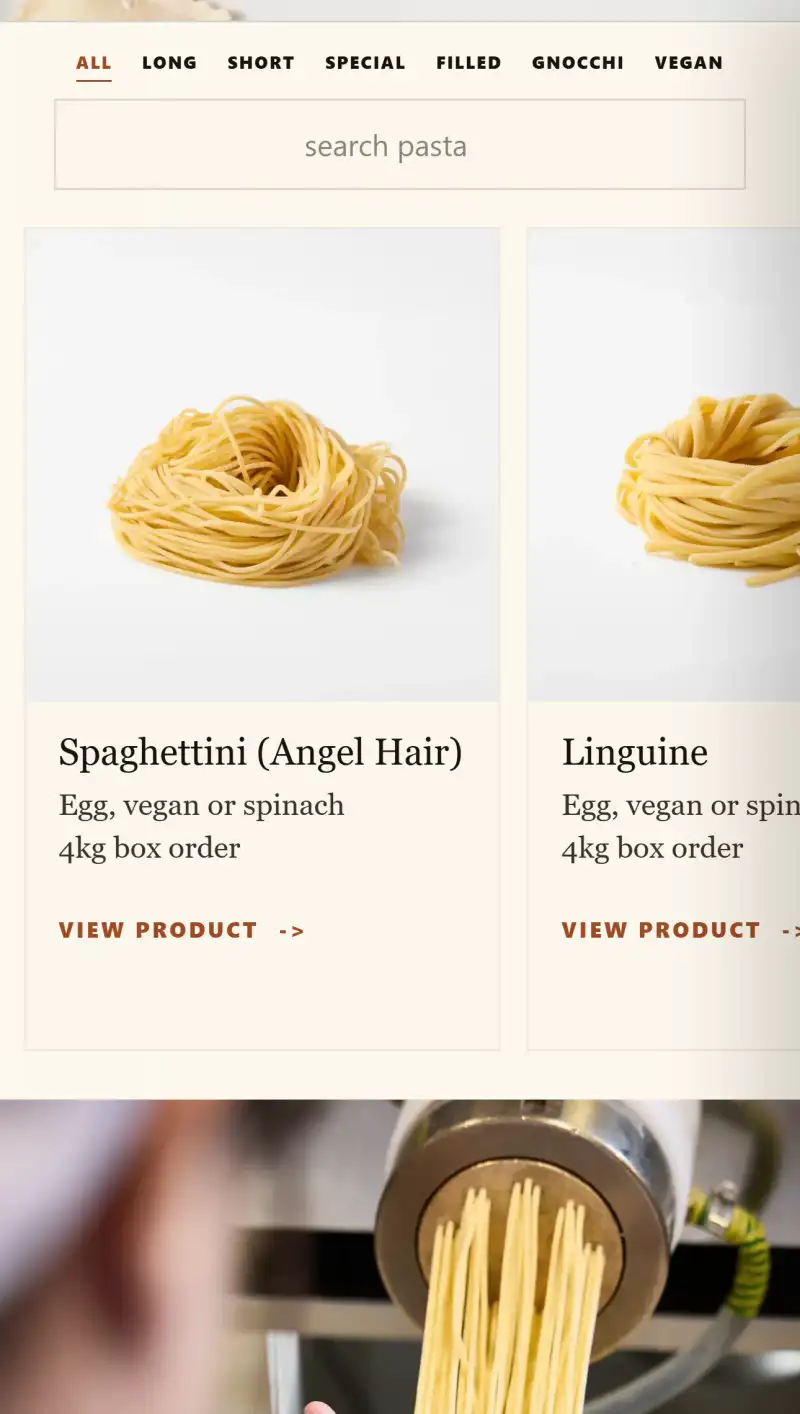
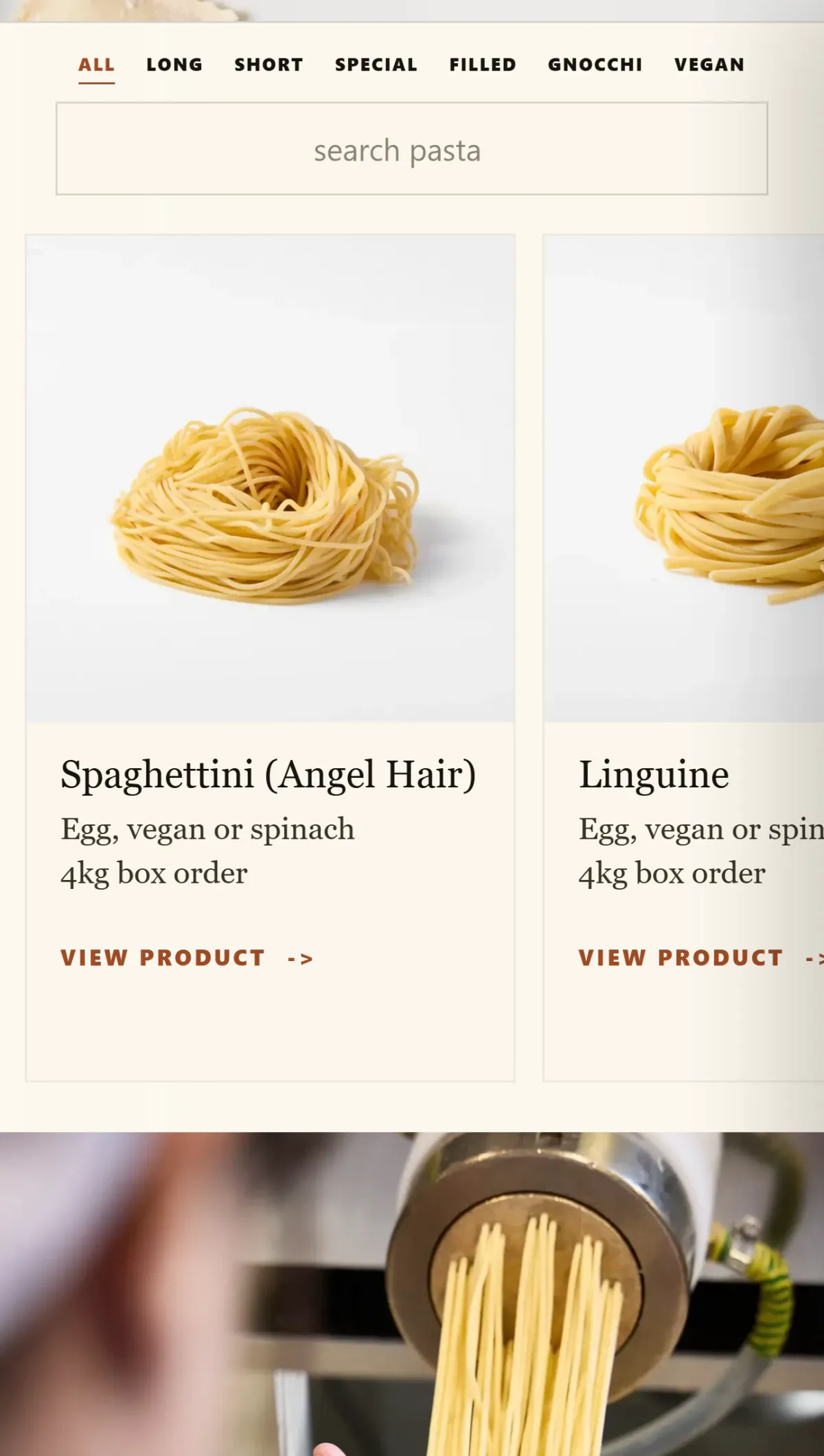
- Two Distinct Brands, One Shared Codebase: La Delizia operates both Latticini (cheese) and La Delizia Lab (fresh artisan pasta). We built a unified codebase that powers both brands under one domain, sharing design systems, build pipelines, and domain authority while presenting completely distinct visual identities (navy/white for cheese, gold/cream for pasta).
4. Structured Catalogue: Scaling Without Ongoing Developer Costs
Small and mid-sized producers often struggle to keep their websites updated because adding a new SKU requires paying a developer or wrestling with complex page builders.
For La Delizia, all 23 artisanal cheeses are managed through a centralized structured data file. When a new cheese or seasonal variation is introduced:
- The product page is automatically created with full SEO metadata, OpenGraph tags, and schema markup.
- The item is instantly added to the category listings and navigation menus.
- The XML sitemap updates automatically for search engines.
This eliminates administrative friction and guarantees that the digital catalogue always matches factory production.
The Commercial Results
Migrating from a dated, 5-year-old website to a custom multi-audience platform produced immediate business advantages:
| Metric / Area | Legacy 5-Year-Old Website | New Custom Multi-Audience Platform |
|---|---|---|
| Page Load Performance | 4.5s+ load times, heavy builder bloat | Lighthouse performance 98 mobile, 100 desktop (27 Sep 2026); main content in 2.1s on a simulated mid-range phone |
| Wholesale UX | Buried in consumer copy; no case specs | Dedicated trade pages with format & weight specs |
| Retail Conversion | No stockist finder; high enquiry drop-off | Interactive stockist locator converting local intent |
| Search Footprint | 5 indexable pages | 36+ structured, indexable product & recipe pages |
| Maintenance Cost | Manual page editing; frequent formatting errors | Automated generation from structured catalogue data |
By aligning website architecture with real-world sales channels, La Delizia Latticini turned its website into a powerful asset that supports wholesale growth, retail partner sales, and local brand authority across Western Australia.
Explore the full breakdown in our La Delizia Latticini website case study, or discover how our Perth web design and development team can rebuild your business website into a high-converting platform.
Tap through our website brief builder and we'll recommend the right next step.
Frequently asked questions
Why should an established food producer redesign their website?
A food business that sells through multiple channels (retail delis, wholesale food service, and direct-to-consumer) often outgrows generic template sites. A bespoke redesign separates user journeys so chefs find case sizes and technical specs immediately, while shoppers quickly locate local stockists.
How does a multi-audience website architecture work?
Instead of forcing trade buyers and casual shoppers through the same cluttered product pages, a multi-audience architecture splits visitors by intent via dedicated navigation paths: trade/wholesale specifications, retail stockist directories, and consumer recipes.
What are the performance benefits of a zero-JavaScript Astro website?
By pre-rendering pages into static HTML and CSS without heavy client-side JavaScript bundles, pages load instantly even on weak mobile connections in commercial kitchens or retail delis, resulting in perfect Core Web Vitals and superior SEO rankings.
How can recipe content drive sales for a manufacturing food brand?
Recipe content captures organic search traffic for high-intent culinary queries (e.g. 'what to cook with stracciatella') from home cooks who aren't searching for your brand yet, creating an inbound funnel that guides them directly to your stockist locator.