Rollout Context
Why the Kuza Urban Japanese Food project matters beyond launch
Why food photography matters to restaurant sales
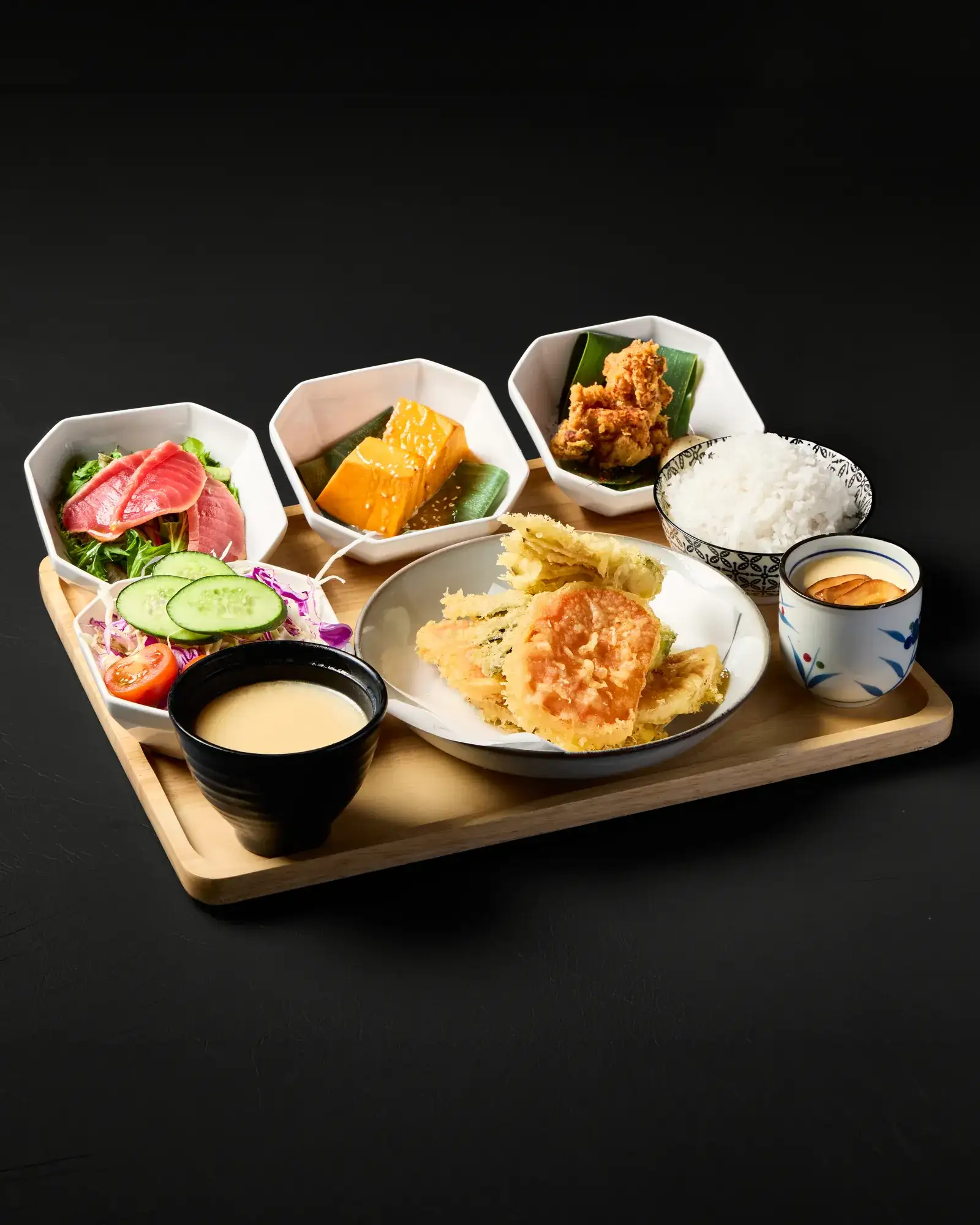
People deciding what to order need to understand what will arrive at the table. A useful photograph makes the dish tangible: the arrangement of sushi, the variety in a bento meal or the toppings in a bowl. That clarity can support a purchase decision and give a signature item a stronger place in a promotion. Photography should represent the serving honestly so the experience matches the expectation.
Kuza’s website describes Japanese food designed for sharing and lists its Albany Highway location in Victoria Park. The menu series complements that context with close views of individual dishes. A customer can explore the food before deciding what to order or whether to book.
Treat each menu dish as a product
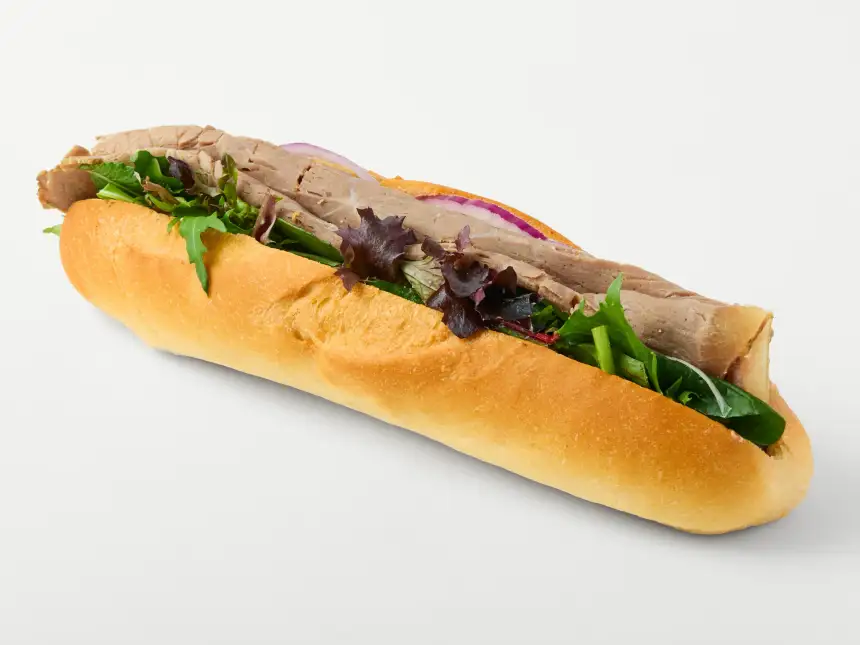
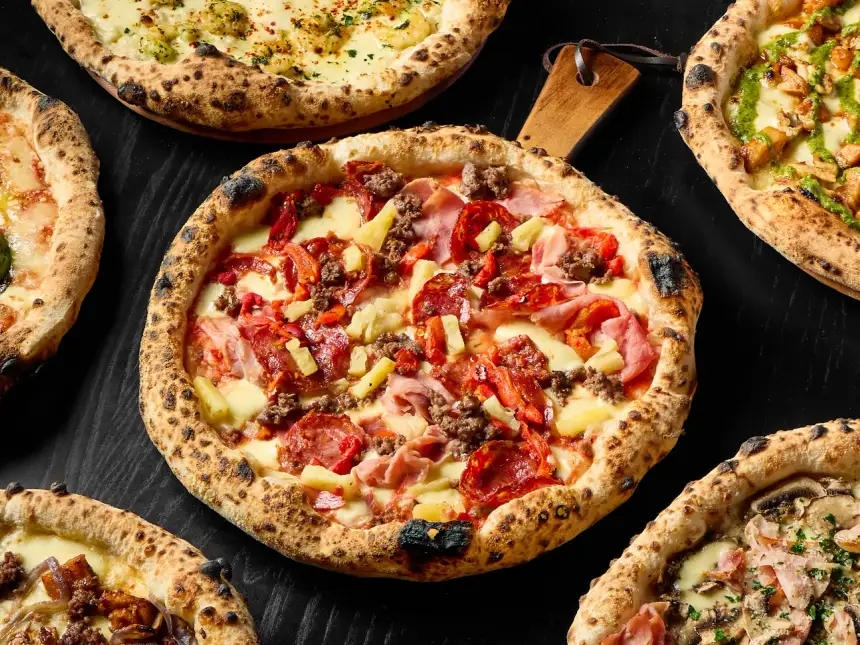
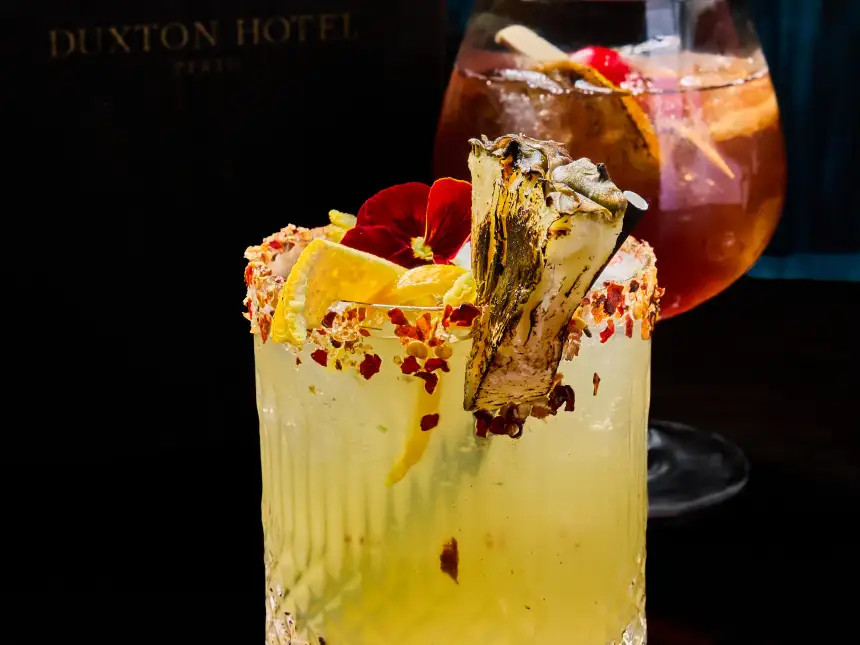
Restaurant food photography and product photography share a practical requirement: show what the customer is choosing. Here, the consistent dark setting holds the collection together while each plate retains its own colour and detail. Use a complete dish view for the menu and a closer crop for a promotion, keeping the actual serving recognisable.
For a restaurant publishing this kind of library, pair the image with the correct menu name, a short description and current price. Confirm ingredients and dietary information with the kitchen instead of inferring them from a photograph. Place a clear ordering or booking action beside the relevant content. To assess sales impact, compare dish orders and menu-to-order conversions over comparable periods, accounting for price changes and promotions.
Useful local SEO and GEO for food photography
Give each dish a readable page context, descriptive image filename and accurate alt text. Keep images fast to load and connect menu content to the restaurant’s location and booking information. These practices follow Google’s image SEO guidance; repeating location keywords in every description adds little value for a diner.
For local discovery, use the restaurant’s correct name and address consistently and keep menu information current. For GEO, meaning generative engine optimisation, make the same facts easy to find in visible text: who the restaurant is, where it is and what the menu offers. Google’s guidance on AI search features recommends established SEO fundamentals rather than special AI markup. Neither photography nor markup guarantees a ranking or an AI citation.
The practical starting point is a truthful menu library, supported by clear information. Explore our Perth food photography service to plan a similar collection.