
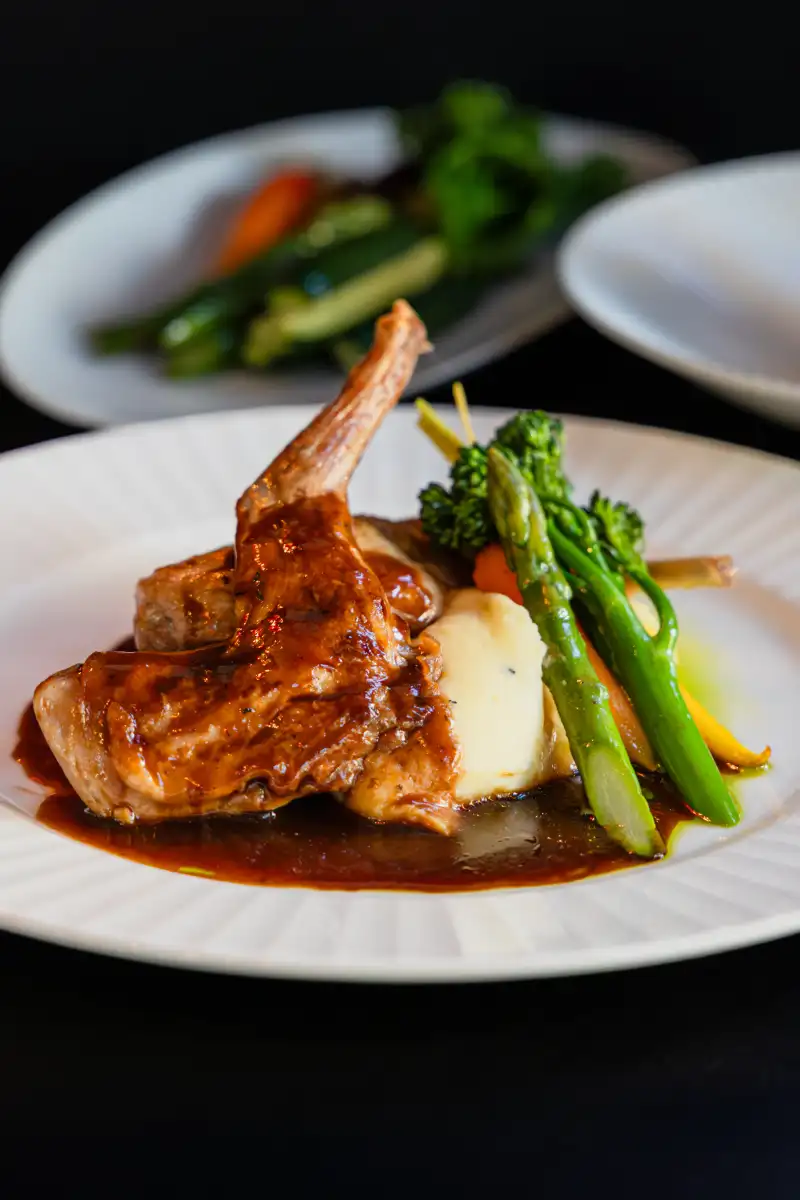
For most venues, the starting point is still a strong set of dish images, but dedicated restaurant photography services in Perth should expand beyond plated dishes. If the gallery cannot show what the room feels like, how service moves, and why the venue is worth visiting, the content library stays incomplete. Our broader food photography Perth page covers package scope and pricing.
Why a dish-only gallery usually underperforms
Food photography gets attention because it is the most obvious asset. It helps menus, delivery apps, and hero sections. But a customer deciding where to book dinner is rarely choosing on dish shots alone.
They are also asking quiet questions:
- Does this place feel premium or casual?
- Is it better for a date, a group booking, or a quick weekday meal?
- Will the lighting, seating, and atmosphere match the occasion?
- Does the venue feel alive, looked after, and worth the price?
Food images help, but they do not answer all of that on their own.
The four content groups a venue usually needs
1. Hero dish photography
This is still the anchor layer. It covers signature dishes, campaign items, menu highlights, and delivery-platform assets. If you are building the shot list now, start with our Perth restaurant photo-shoot planning guide so the kitchen and the creative brief stay aligned.
If your main gap is dish-by-dish consistency for printed menus, QR menus or delivery apps, compare the restaurant brief with our dedicated menu photography Perth service before you finalise the shot list.
2. Interior and atmosphere images
Interior content helps customers understand the environment before they arrive. Wide room shots, detail photos, lighting moments, bar areas, table settings, and exterior context all reduce uncertainty. They also strengthen Google Business Profile and website trust because the venue looks active and real.
3. Team and service moments
Hospitality is a people-led experience. Chef portraits, plating action, bartenders at work, servers in motion, and candid service frames all help the brand feel warmer and more credible. These are often the images that make a venue feel memorable rather than generic.
4. Lifestyle dining content
Lifestyle frames show the venue being enjoyed, not just documented. Hands in frame, cocktails being poured, shared-table moments, and subtle guest interaction shots are what make the gallery usable across launches, event promotion, and recurring social posts.
Where these assets get used
A stronger venue library is valuable because it gives you range:
- Website: hero sections, booking prompts, menu pages, event pages, and private-dining enquiries.
- Google Business Profile: photo freshness, category relevance, and stronger click-through from Maps.
- Social: campaign posts, behind-the-scenes content, launch announcements, and recurring proof.
- Delivery apps: dish-specific assets that still sit within a better overall brand presentation.
If you want to see how this expands beyond the website, read how food photography gets reused across websites, Instagram, and Uber Eats.
What venues should put in the brief before shoot day
The most effective restaurant shoots are planned like production, not treated like a spontaneous content grab. Lock the commercial priorities before the camera comes out:
- List the must-have dishes and the reason each one matters.
- Choose the spaces that sell the venue best, not just the easiest spaces to photograph.
- Decide whether the gallery needs daytime, evening, or both.
- Confirm who is needed on camera if staff or lifestyle content is part of the brief.
- Map the content to the channel so hero images, menu support, and social clips are not competing for the same time slot.
For kitchen-side prep and timing, pair this article with our kitchen prep checklist. Most avoidable shoot issues happen before the first frame is taken.
How this improves conversion, not just aesthetics
Better venue photography reduces friction. It helps potential customers picture the experience faster, feel clearer about the fit, and trust the venue sooner. That matters on booking pages, function pages, and high-intent organic visits.
It also supports menu strategy. When the content library includes strong hero dishes and real venue context, the visuals can reinforce how signature items are merchandised online. That is part of why menu engineering and photography work better together than as separate projects.
The goal is a library, not a single gallery
The strongest restaurant photography brief does not ask for “some food photos.” It asks for a reusable venue-content library that can support bookings, brand perception, local discovery, and recurring promotion over time.
If your current gallery only shows plates and none of the venue story, that is usually the next gap to fix. Our restaurant photography Perth page outlines how we approach venue shoots, or start with the shoot planning guide to build your brief first.
Tap through our photography brief builder and we'll send you a tailored quote.