Rollout Context
A campaign image library centred on life after stroke
The Stroke Foundation’s 2026 August Appeal called for photography with emotional range. The campaign needed to raise awareness of stroke while showing donors what support can help protect: recovery, confidence, independence and the ordinary routines that make life feel like your own again.
Karla’s story gave the brief a clear human centre. Her stroke began with severe vertigo, vomiting, an intense headache, facial numbness and double vision rather than only the classic signs many people associate with F.A.S.T. Her experience reinforces the Stroke Foundation’s message that stroke signs can include dizziness, loss of balance, vision changes, severe headache and difficulty swallowing as well as facial, arm and speech changes. Read Karla’s story on the Stroke Foundation website and its official stroke signs guidance.
A survivor-led approach to charity campaign photography
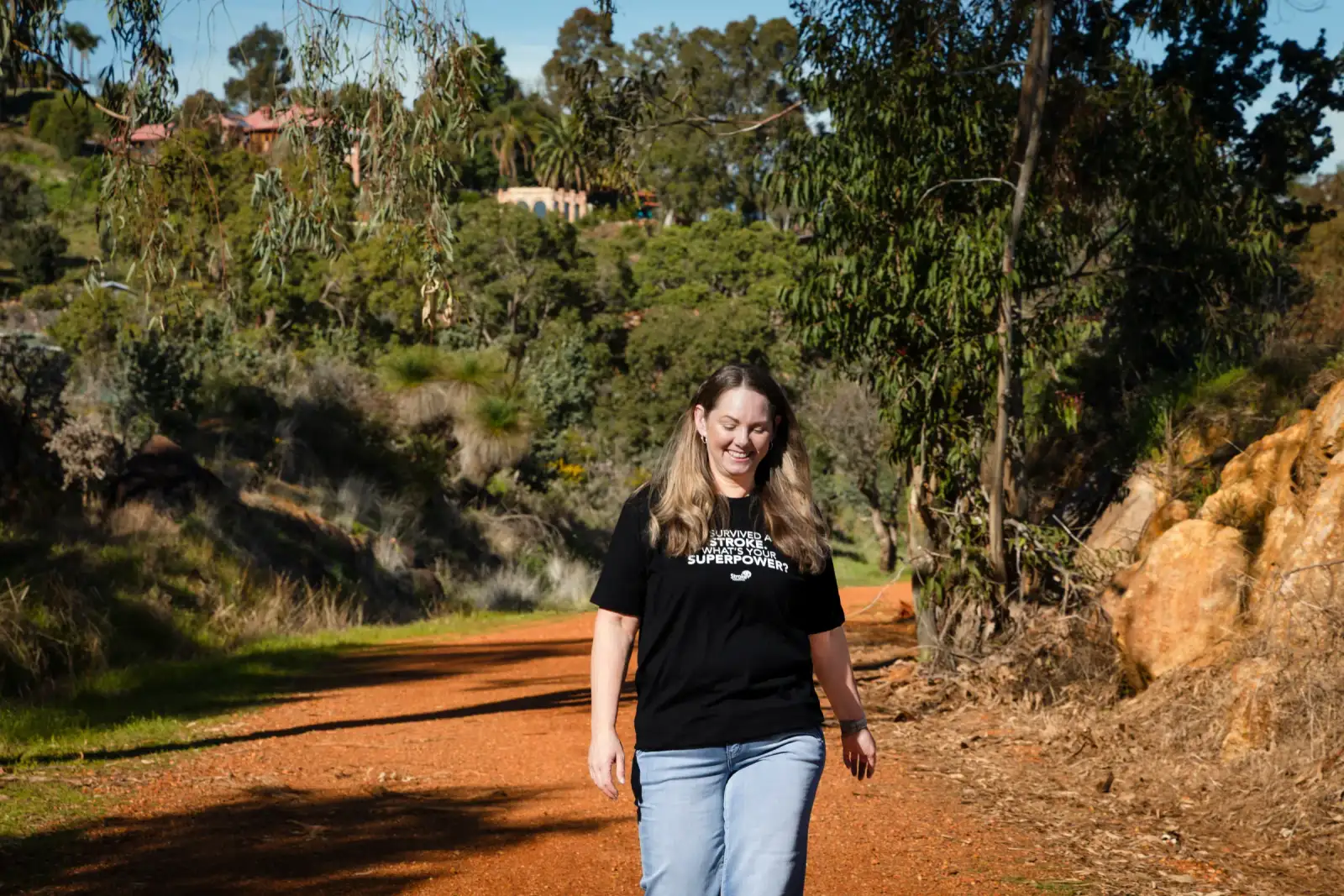
The photography was planned around Karla’s real environment and activities. Walking outdoors created images with a sense of movement and possibility. Driving introduced a visual expression of independence. At home, reading and writing brought the story back to quieter moments of concentration, routine and recovery.
That variety was important for the appeal. A single heroic portrait can create recognition, but a campaign library needs more than one emotional note. The final set includes confident portraits, wide landscape compositions, natural interactions with the environment and everyday activity images that can be adapted across different messages and formats.
Designing images for appeal, web and social use
The shot list was structured around the Stroke Foundation’s practical delivery requirements. Landscape images leave room for headlines and donation messaging, while tighter portrait compositions give social posts, editorial layouts and media placements a stronger human focal point. The selected frames also support square crops without losing Karla’s face or the main action.
The result is a reusable visual asset library rather than a collection of disconnected portraits. Each image can help the Stroke Foundation tell a slightly different part of the story: the seriousness of stroke, the value of persistence, the importance of awareness, and the possibility of building life forward after a life-changing event.
Photographing life after stroke with dignity and hope
Health and charity photography needs to be emotionally honest without turning a person into a symbol of hardship. This project kept Karla’s agency at the centre of every frame. The images show a survivor who has experienced something serious, while also showing the person beyond the diagnosis: walking, driving, reading, writing and meeting the camera with confidence.
For organisations working in health, community services and fundraising, that balance is often the difference between an image that simply illustrates a message and one that helps people feel why the message matters. Explore our commercial photography service in Perth if your organisation needs a story-led campaign image library.