

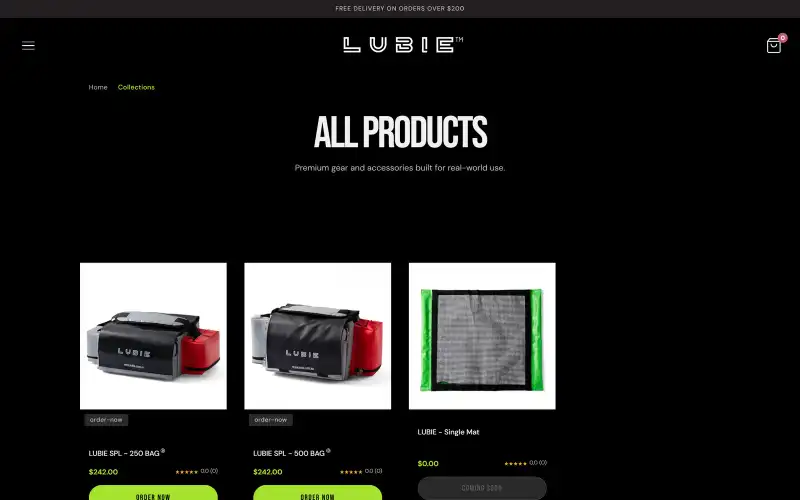
The Hidden Ceiling of Standard Shopify Themes
Shopify is the undisputed king of ecommerce backends, managing inventory, merchant gateways, and secure checkout with unmatched reliability. However, as an ecommerce brand grows, its storefront needs expand. Store owners install apps for product reviews, currency conversion, live chat, and popups.
Under traditional Shopify Liquid themes, every installed app injects separate JavaScript files and stylesheets into the head of every page. The result is severe script bloat, sluggish mobile loading, and low Google Core Web Vitals scores that drag down search rankings and depress checkout conversions.
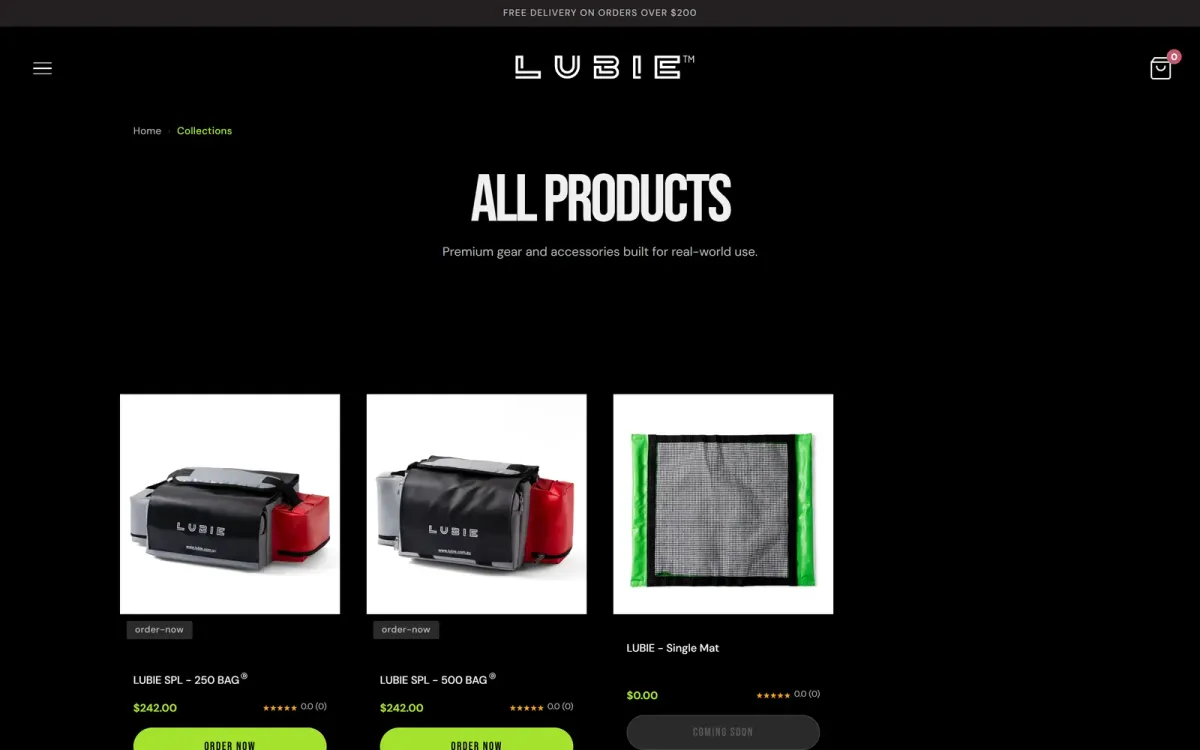
To solve this for Lubie, an Australian maker of industrial maintenance bags and spill-containment mats, our Perth ecommerce web development team engineered a headless Shopify build that decoupled the frontend presentation layer from the Shopify backend.
1. Decoupling the Storefront with Next.js & Shopify Storefront API
In a headless architecture, Shopify operates purely as a commerce engine. The frontend is a custom Next.js application that reads products from Shopify’s Storefront API and refreshes a page when a verified Shopify webhook reports a change:
- Pre-Rendered Pages: Product and collection pages are rendered ahead of time and refreshed when the catalogue changes, rather than assembled in the visitor’s browser.
- Native Shopify Checkout: When a customer clicks “Add to Cart” and proceeds to buy, they move into Shopify’s hosted checkout, which keeps payments, PCI compliance and fraud analysis with Shopify.
- Consent Before Tracking: GA4, Google Tag Manager and the LinkedIn Insight Tag load only after the visitor agrees.
2. Technical Product Pages Engineered for Conversion
For specialized B2B and consumer brands, a product detail page (PDP) must do more than display a title and an “Add to Cart” button. It must explain what the product is for: how the compartments are organised, why used batteries are kept apart from new ones, and how contaminated waste stays isolated.
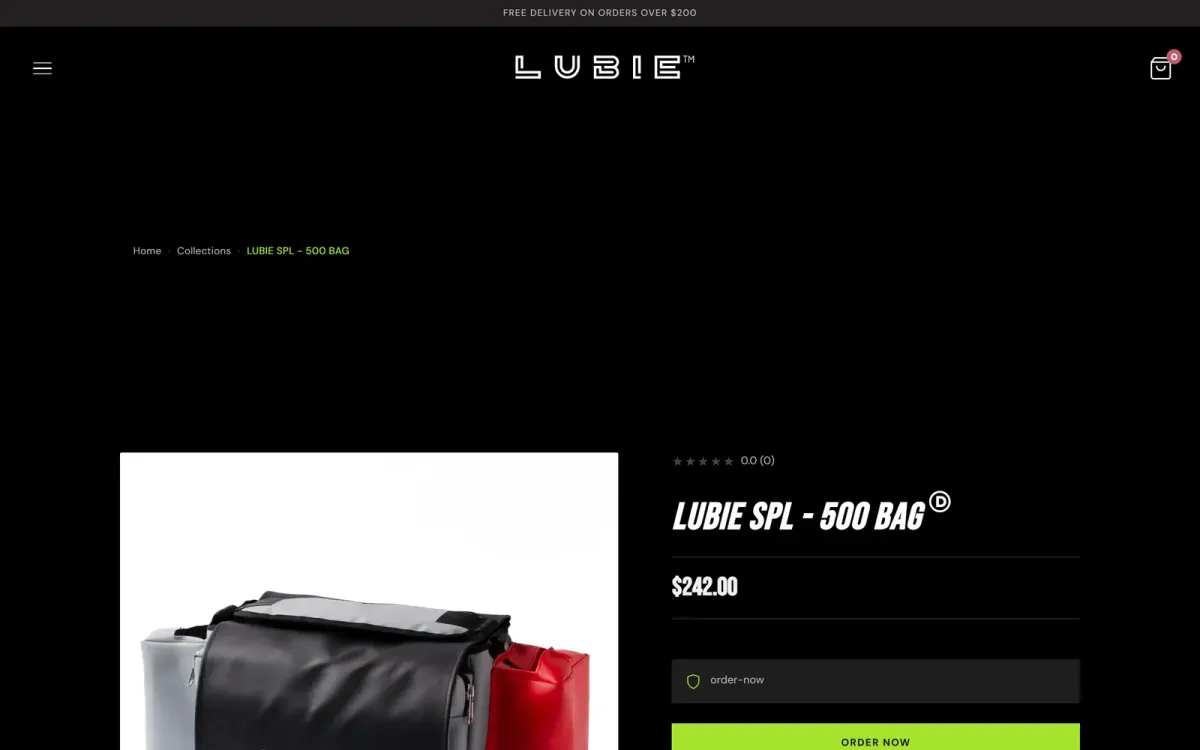
With headless architecture, every product page layout is completely customized without being constrained by Shopify theme section limits.
3. Mobile Speed, Measured
Over 70% of modern ecommerce traffic occurs on mobile devices. A one-second mobile delay can reduce conversion rates by up to 20%.
Measured with Google Lighthouse on 27 September 2026, Lubie’s storefront scores 91 for performance on mobile and 99 on desktop, with 100 for SEO and Best Practices on both. The points lost on mobile are in how quickly the page finishes painting on Lighthouse’s simulated mid-range phone over slow 4G (Speed Index 6.3 seconds), while the main content appears at 2.6 seconds.
Conclusion
Headless Shopify provides the ideal middle ground for ambitious ecommerce businesses: the reliability and ecosystem of Shopify combined with the speed and design freedom of modern bespoke web development.
Discover more in our Lubie headless Shopify case study, or speak with our custom ecommerce web development team in Perth to discuss your store rebuild.
Tap through our website brief builder and we'll recommend the right next step.
Frequently asked questions
What is Headless Shopify and how is it different from standard Shopify?
Standard Shopify tightly couples the backend store management with Shopify's frontend Liquid theme engine. Headless Shopify separates the two: Shopify manages checkout, inventory, and payments via Storefront API, while a modern static/serverless framework (like Astro or Next.js) renders the frontend with lightning speed.
When should an ecommerce brand switch to Headless Shopify?
A brand should consider headless when standard Shopify themes feel sluggish, third-party apps have bloated the site speed, or the business requires bespoke UX, complex multi-market routing, or instant sub-second mobile page loads.
Does Headless Shopify affect checkout security or payment processing?
No. All transactions, credit card processing, and customer data are securely handled by Shopify's native PCI-compliant checkout engine. Headless only replaces the frontend presentation layer.