

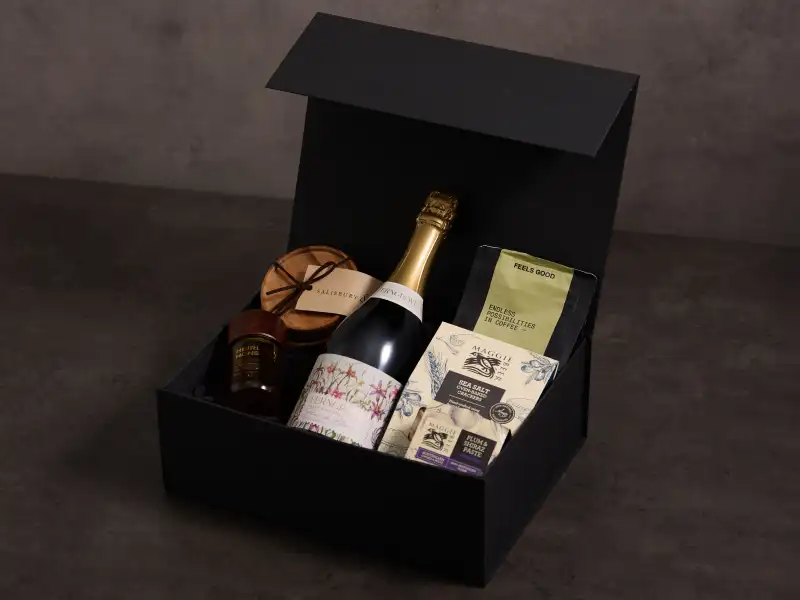
Commercial Product Photography Explained
Commercial product photography is product imagery created to support a business objective. That objective is usually sales, but it can also include lead generation, retailer onboarding, launch support, ad performance, or wholesale catalogue distribution.
The “commercial” part matters. It means the shoot is not planned as standalone artwork. It is planned as a production system that feeds business channels with practical, reusable assets.
For Perth brands, this often means one shoot needs to serve multiple destinations at once: ecommerce product pages, marketplace listings, social campaigns, email creative, sales decks, and print collateral.
For a full service scope, see our Perth product photography page, or use the dedicated ecommerce photography Perth workflow for online-store briefs.
How It Differs from Basic Product Photography
Standard product photography often focuses on individual images. Commercial product photography focuses on output systems and usage requirements.
That difference shows up in five practical ways:
- Briefing: The brief includes channels, deliverables, ratios, file rules, and rollout timelines.
- Shot planning: Coverage is mapped by SKU tier and campaign priority, not random visual preference.
- Consistency: Lighting, framing, and grading standards are designed to scale across product ranges.
- Delivery: Files are exported and named for operational use by internal teams.
- Reuse: Assets are created for ongoing use, not just one post or one launch week.
If your business has recurring product drops, seasonal campaigns, or multi-platform distribution, this commercial structure is usually the difference between constant content bottlenecks and smooth production cycles.
What a Commercial Product Shoot Usually Includes
1. Catalogue and Compliance Images
These are your practical assets: clean white-background photos, core angles, and detail crops that power product pages and marketplace listings. They are especially important when your brand sells on Amazon, Etsy, or Google Shopping.
2. Lifestyle and Hero Imagery
These are context-rich visuals used for social campaigns, landing pages, launch emails, and paid ad creative. They help customers imagine ownership and use.
3. Channel-Specific Crops and Exports
Commercial delivery normally includes multiple crops and compression settings so teams can publish without manual rework.
4. Retouching and Colour Control
Commercial retouching is about consistency and trust: clean product edges, balanced highlights, accurate label rendering, and repeatable grading across ranges.
5. Organised Delivery
Files should be easy to use by ecommerce managers, marketers, and agencies. Naming structure and folder logic are part of the service, not an afterthought.
Where Commercial Product Photography Is Used
- Ecommerce: product tiles, PDP galleries, collection pages
- Marketplaces: compliant hero images and secondary listing sets
- Paid media: Meta, Google, and display creative variants
- Organic social: launch posts, seasonal campaigns, evergreen content
- Sales collateral: wholesale sheets, catalogues, pitch decks
- Retail support: point-of-sale and packaging-adjacent visuals
One of the most common mistakes is assuming one image export works everywhere. It rarely does. Commercial planning accounts for this up front.
Do You Need White Background and Lifestyle Images?
In most cases, yes.
White background images handle clarity and compatibility. They are often required for marketplaces and perform strongly in product grids.
Lifestyle images handle context and persuasion. They usually perform better for social engagement and campaign storytelling.
The strongest commercial sets combine both styles in one production workflow. If your team is deciding how to split budget, start with our packshot vs lifestyle guide.
What Perth Businesses Should Clarify Before Booking
- Channel mix: Where will images be published first?
- SKU volume: How many products need full coverage now vs later?
- Asset split: What ratio of catalogue vs lifestyle do you need?
- Release schedule: Is this a one-off launch or recurring production?
- Internal workflow: Who uploads, edits listings, and runs campaigns?
These decisions directly affect shoot structure, timeline, and cost. Without them, teams overproduce low-value assets and underproduce the images that actually drive results.
How to Scope Commercial Product Photography in Perth
A practical scoping model looks like this:
- Define required channels (ecommerce, marketplace, paid, social, print).
- Group SKUs by priority (hero products, core range, long-tail range).
- Set deliverable tiers (basic coverage vs full campaign set).
- Plan repeatability (how future shoots will match current output).
- Confirm delivery format (naming, folders, crops, and file specs).
When this structure is in place, a single shoot can support multiple quarters of marketing activity.
Commercial Product Photography and ROI
Commercial product imagery affects more than aesthetics. It impacts speed of execution, ad efficiency, listing quality, and how quickly teams can publish campaign updates.
In practice, brands usually see value through:
- faster product page publishing
- better ad creative consistency
- fewer marketplace listing issues
- stronger perceived product trust
- reduced repeat production waste
For ecommerce-focused examples, see our online-ready ecommerce guide and marketplace requirements breakdown.
Wrapping Up
Commercial product photography is the operational version of product imagery. It is designed to support sales channels, content workflows, and repeated campaigns, not just a single visual moment.
If your business sells across multiple platforms, this structured approach usually produces better outcomes and lower long-term friction than ad-hoc shoots.
For implementation support, start with our Perth product photography service or contact us for a scope built around your channel mix and release timeline.
Tap through our photography brief builder and we'll send you a tailored quote.