
Why Packaging Design Matters More Than Ever
Packaging has always served a functional purpose — protecting products during transport and storage. But in 2026, packaging is a strategic brand asset. It is the first physical interaction a customer has with your product. It appears in every product photo on your website and marketplace listings. It stars in unboxing videos across Instagram and TikTok. And it sits on retail shelves competing for attention against dozens of alternatives.
For Perth businesses launching consumer products — from skincare and candles to craft food, boutique beverages, and luxury gifting — investing in professional packaging and graphic design in Perth combined with studio product photography in Perth is one of the highest-ROI growth drivers available. It directly influences perceived value, shelf appeal, and online checkout conversions across your ecommerce store.
This guide covers the 10 packaging design trends defining 2026 and explains how Western Australian businesses can apply them to stand out in physical retail and digital storefronts. See how brands like Myerton Packaging execute premium custom packaging systems locally.
Sustainable Packaging: From Trend to Expectation
What was once a differentiator is now table stakes. Australian consumers — particularly in the 25-45 age bracket that drives most ecommerce spending — expect brands to demonstrate environmental responsibility through their packaging choices. In 2026, sustainability is not a marketing angle; it is a baseline expectation.
Materials Leading the Shift
- Recycled kraft card: Unbleached, recycled cardboard communicates sustainability immediately through its natural appearance. It works beautifully with minimal graphic design and pairs well with soy-based inks for a fully eco-conscious system.
- Compostable films and wraps: Replacing traditional plastic windows and shrink wraps with compostable alternatives. These materials are improving in clarity and durability, making them viable for food, beauty, and lifestyle products.
- Soy and vegetable-based inks: Traditional petroleum-based inks are being replaced by soy and vegetable alternatives that produce vibrant colour reproduction while being easier to recycle and less harmful in production.
- Mushroom-based packaging: Mycelium-based packing materials are replacing expanded polystyrene for protective packaging. They are fully compostable, can be moulded to fit specific product shapes, and decompose in weeks rather than centuries.
Design Implications
Sustainable materials influence design decisions. Uncoated stocks absorb more ink, making colours appear more muted than on coated papers. Recycled card has a warmer, more organic base tone. Soy inks behave slightly differently in fine detail reproduction. A designer experienced in sustainable packaging knows how to work with these characteristics rather than against them — using the natural qualities of the materials as a design feature rather than a limitation.
Minimalism: Less Design, More Impact
Minimalist packaging continues to dominate premium and aspirational product categories in 2026. The principle is straightforward: remove everything that does not serve a purpose, and let the remaining elements speak with clarity and confidence.
What Minimalist Packaging Looks Like
- Restrained colour palette: One to three colours maximum, often including a neutral base (white, black, kraft) with one accent colour that aligns with the brand identity.
- Generous whitespace: Empty space is not wasted space — it creates visual breathing room that elevates perceived quality. Products with minimal packaging are consistently rated as more premium by consumers.
- Focused messaging: Product name, one key benefit or descriptor, and brand mark. Nothing more on the front panel. Detailed information moves to the back or interior.
- High-quality materials: When the design is simple, material quality becomes more noticeable. Minimalist packaging demands premium stock, precise printing, and clean finishing.
For Perth brands in beauty, wellness, artisan food, and lifestyle products, minimalist packaging signals sophistication and quality. It also photographs exceptionally well — a key advantage for ecommerce and social media content. Our product photography services frequently showcase how minimalist packaging elevates the entire visual story of a product.
Bold Typography as the Hero Element
In 2026, typography is doing the heavy lifting on packaging that previous years delegated to photography and illustration. Bold, expressive type treatments are becoming the primary visual element on many product categories — from craft beverages and snack foods to cleaning products and supplements.
How Bold Typography Works on Packaging
- Oversized type: Product names set at dramatically large sizes, filling the front panel and creating immediate shelf impact. The type itself becomes the visual identity of the product.
- Custom lettering: Hand-drawn or custom typefaces that cannot be replicated by competitors. This creates distinctiveness that standard fonts cannot achieve and gives the product a unique personality.
- Typographic hierarchy as wayfinding: Using size, weight, and colour contrast to guide the consumer’s eye from product name to flavour or variant to key benefit — all through type alone.
This approach works particularly well for brands with multiple SKUs. When the typography system is strong, each variant can use different colours or patterns while maintaining unmistakable family resemblance across the product line. We explored the psychology behind font choices in our guide on typography psychology for business branding.
Tactile Finishes: Designing for Touch
In a retail environment, consumers pick up products before buying them. The moment of physical contact is a decision point — and tactile finishes can tip the balance in your favour.
Finishes Driving 2026 Packaging
- Soft-touch lamination: A velvety, matte coating that invites handling. Once a consumer picks up a soft-touch package, they hold it longer — increasing the likelihood of purchase. This finish is becoming standard for premium skincare, supplements, and gift products.
- Embossing and debossing: Raised or recessed elements that add dimension. Logo marks, product names, and decorative patterns gain a tactile quality that flat printing cannot achieve. Blind embossing (no ink, just the texture) is particularly elegant.
- Foil stamping: Metallic foil applied to specific areas — logos, borders, or accent details. Gold, silver, rose gold, and copper foils add a premium signal that is immediately visible and touchable. Best used sparingly for maximum impact.
- Textured stocks: Papers with linen, felt, or laid textures that add visual and tactile interest without additional finishing processes. These stocks pair well with minimalist design and sustainable positioning.
The strategic value of tactile finishes extends beyond the point of sale. Customers who receive a product in premium-feeling packaging are more likely to share the experience on social media, write positive reviews, and repurchase. The cost of premium finishing is often recovered through increased conversion and organic marketing.
The Unboxing Experience: Packaging as Content
Unboxing content generates billions of views annually across YouTube, Instagram, and TikTok. In 2026, smart brands design packaging with the unboxing moment in mind — treating the sequence of opening a product as a choreographed brand experience.
Elements of a Strong Unboxing Experience
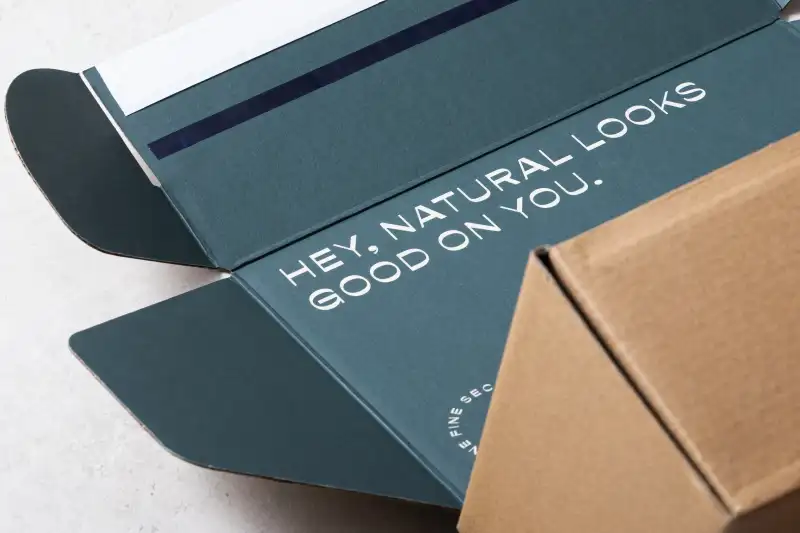
- Outer packaging: The shipping box or mailer sets first impressions. Custom-printed mailers with your brand identity signal that the experience begins before the product is revealed.
- Opening mechanism: Tear strips, magnetic closures, ribbon pulls, and tuck-flap reveals create moments of anticipation. The way a package opens is part of the story.
- Interior reveal: Tissue paper, crinkle fill, custom inserts, or branded wrapping creates layered discovery. Each layer builds anticipation and extends the experience.
- Printed inserts: A thank-you card, care instructions, or a discount code for the next purchase turns the packaging into a retention tool. These small touches generate disproportionate goodwill.
- Photography-ready presentation: When the product is fully revealed, it should look effortlessly beautiful in a photo. This encourages organic sharing and user-generated content.
Ecommerce-First Packaging Design
Designing for ecommerce requires a different mindset than designing for traditional retail shelves. In an online store, your product is experienced digitally before it is ever held physically.
What Ecommerce Packaging Must Deliver
- Product photography: Your packaging is the hero of every product listing image. Clean, well-designed packaging produces sharper, more professional photos that increase click-through rates and conversion. Cluttered or dated packaging drags down the entire visual presentation.
- Thumbnail visibility: On marketplace listings and category pages, your product appears as a small thumbnail. Packaging with high contrast, clear branding, and bold typography reads well at small sizes. Detailed illustrations and fine text disappear entirely at thumbnail scale.
- Social shareability: Products with distinctive packaging get photographed and shared organically. Design elements that are visually striking in a flat-lay or lifestyle photo — bold colours, unique shapes, tactile textures — drive more social engagement than generic packaging.
- Review quality: Customers who receive a product in beautiful, well-considered packaging are predisposed to leave positive reviews. The packaging experience primes their perception of the product itself.
When briefing a packaging designer, include your ecommerce photography requirements in the brief. The best packaging designs work as both functional containers and photographic subjects. Our team regularly coordinates between marketing collateral design, ecommerce photography, and store build requirements so packaging looks exceptional in every context.
Local Perth Market Context
Perth’s consumer product market has distinct characteristics that influence packaging decisions:
- Strong “buy local” sentiment: Perth consumers actively support local producers. Packaging that communicates local origin — through language, imagery, or explicit labelling — benefits from this preference. “Made in Western Australia” or “Perth-crafted” messaging on packaging carries genuine commercial value.
- Climate considerations: Perth’s warm climate affects material selection. Heat-sensitive adhesives, certain laminations, and some ink types behave differently in sustained heat. Packaging for products distributed through WA supply chains should be tested for local conditions.
- Retail channel mix: Perth products often move between markets (Fremantle Markets, Subiaco Farmers’ Market), independent retailers, and ecommerce. Packaging needs to work across all these contexts — standing out on a market stall table, fitting retail shelf planograms, and photographing well for online listings.
- Sustainability consciousness: Western Australian consumers rank among the most environmentally aware in the country. Packaging that visibly prioritises sustainability — through materials, messaging, and certifications — resonates strongly in this market.
A Packaging Design Checklist for 2026
Before briefing a designer or approving a final packaging concept, run through this checklist:
- Brand alignment: Does the packaging use the same colours, typography, and visual language as your brand identity system?
- Shelf differentiation: Does it stand out from competitors in the same category at the same retail locations?
- Thumbnail readability: Is the product name and brand mark legible at ecommerce thumbnail size (roughly 300x300 pixels)?
- Photography-readiness: Will this packaging produce strong product photos without additional props or styling?
- Sustainability: Are materials and processes aligned with consumer expectations and your brand values?
- Functional requirements: Does the packaging protect the product, meet regulatory labelling requirements, and fit supply chain specifications?
- Print specifications: Are files prepared in CMYK at 300 DPI with correct bleed and safe zones? Review our guide on print vs digital design differences for the technical requirements.
- Unboxing consideration: Is the opening experience designed to delight, or is it purely functional?
Start a Packaging Design Project
At Amplify Creative Lab, we design packaging that works on shelves, in product photography, and in the customer’s hands. From concept development and structural design through to print-ready artwork and material sourcing, our graphic design and marketing collateral team in Perth delivers packaging that reflects the quality of the product inside.
Whether you are launching a new product line, refreshing existing packaging to align with 2026 trends, or preparing for a retail expansion across Perth and Western Australia, we will help you create packaging that performs.
Get in touch to start your packaging design project and get a quote tailored to your product range and retail channels.
See our marketing collateral and print design services, browse our product photography portfolio, or plan the selling layer through our ecommerce websites Perth service.
Tap through our photography brief builder and we'll send you a tailored quote.
Frequently asked questions
How much does packaging design cost in Perth?
Packaging design in Perth typically ranges from $1,500 to $8,000 depending on complexity, number of SKUs, structural design requirements, and whether photography or illustration is included. A single product box with print-ready artwork sits at the lower end, while a full product line with custom dielines and material sourcing is at the higher end.
What packaging materials are trending in 2026?
Recycled kraft card, compostable films, soy-based inks, and mushroom-based packaging are leading the sustainability trend. Brands are also using uncoated stocks with tactile finishes to communicate natural and eco-conscious values. The key is choosing materials that align with your brand positioning while meeting functional requirements.
Does packaging design affect online sales?
Yes. Packaging appears in product photography, unboxing videos, and social media content — all of which influence purchase decisions. Well-designed packaging increases perceived product value, improves review quality when customers share unboxing experiences, and reduces returns by setting accurate quality expectations.
What is the difference between structural and graphic packaging design?
Structural design covers the physical form of the package — shape, material, closure mechanism, and dieline construction. Graphic design covers the visual elements — branding, typography, colour, imagery, and print finishing. Both must work together, and the best results come from a designer who understands both disciplines.
How do I choose packaging that stands out on shelves?
Shelf differentiation comes from contrast with competitors. Audit the category shelf to identify dominant colours, layouts, and styles, then design in a direction that breaks the pattern. A minimal white box stands out in a sea of busy, colourful packaging. Bold colour stands out among minimalist competitors. Context determines the strategy.
Should my packaging match my brand identity?
Absolutely. Your packaging is often the first physical interaction a customer has with your brand. It should use the same colour palette, typography, and visual language as your website, social media, and marketing collateral. Consistency between your digital presence and physical product builds trust and recognition.